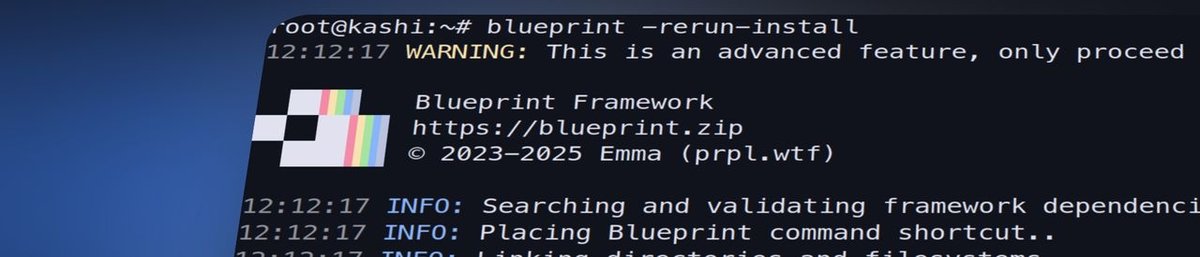
It's an age-old desire for Minecraft players: to push the boundaries of their blocky world, adding new creatures, biomes, and mechanics that Mojang never dreamed of. But behind many of the most exciting modifications lies a crucial, often unsung hero: the mod library. Among these, Blueprint stands tall, a foundational piece for an entire ecosystem of creativity. Navigating the Installation & Setup Guides for Blueprint Mods doesn't have to be a bewildering journey; whether you're a player eager to enhance your game or a developer building the next big mod, understanding Blueprint is key.
This guide is your authoritative, yet approachable, companion to getting Blueprint up and running, ensuring your modding adventures are smooth sailing.
At a Glance: Key Takeaways for Blueprint
- What it is: Blueprint is a fundamental mod library, not a standalone content mod, used by many popular additions to Minecraft.
- Why you need it: If another mod "requires" Blueprint, you must install it for that mod to work.
- Player Installation: Typically involves downloading the correct version for your Minecraft and mod loader (Forge/NeoForge) and placing it in your
modsfolder. - Developer Setup: Requires adding Blueprint as a dependency in your
build.gradleandneoforge.mods.tomlfiles if you're writing your own mod. - Version Matters: Always match Blueprint's version to your Minecraft version and ensure compatibility with other mods.
- Troubleshooting: Most issues stem from incorrect versions or file placement.
Unpacking the "Blueprint" Concept: More Than Just Another Mod
Before we dive into the how-to, let's clarify what Blueprint actually is. Imagine constructing an elaborate building. You wouldn't just start stacking bricks; you'd need a robust foundation, pre-designed frameworks for plumbing, electrical, and structural integrity. In the world of Minecraft modding, Blueprint serves this exact purpose.
Developed primarily for Team Abnormals mods, Blueprint is a sophisticated mod library. It's a collection of shared code, tools, and APIs that other mods can tap into. Think of it as a utility belt for mod developers, packed with valuable features like:
- Registry Helper: Streamlining the process of adding new blocks, items, or entities.
- Data Syncing: Ensuring information flows smoothly between server and client.
- Data-Driven Systems: Allowing for flexible, configurable game modifications.
- Biome API: Making it easier to create and integrate custom biomes.
- Trim Material API: Expanding cosmetic options for armor.
- Endimator Animation API: Providing advanced animation capabilities.
For players, this means Blueprint isn't a mod you interact with directly; it doesn't add new blocks or items you can craft. Instead, it quietly works in the background, enabling the features of other mods that do add content. If a mod lists Blueprint as a "dependency," it literally can't function without it.
Getting Started: Installing Blueprint for Players (The Easy Way)
For the vast majority of Minecraft enthusiasts, installing Blueprint is a straightforward process, much like installing any other fabric or forge mod. It boils down to a few key steps: identifying your needs, downloading the right files, and placing them correctly.
Step 1: Identify Your Minecraft & Mod Loader Versions
This is the golden rule of modding: version compatibility is paramount.
- Minecraft Version: Note the specific version of Minecraft you're playing (e.g., 1.18.2, 1.19.4, 1.20.1, 1.21).
- Mod Loader: Determine which mod loader you're using. The primary ones for Blueprint are NeoForge or Forge. Blueprint requires one of these to run, as it hooks into their frameworks. If you haven't installed a mod loader yet, that's your first step.
Step 2: Download Blueprint from a Trustworthy Source
Always download mods from reputable sites to avoid malware or outdated versions. CurseForge is the official and most recommended platform for Blueprint.
- Visit CurseForge: Go to the official Blueprint page on CurseForge (https://www.curseforge.com/minecraft/mc-mods/blueprint).
- Navigate to "Files": On the CurseForge page, look for the "Files" tab.
- Select the Correct Version: Browse the list of files. You'll see a column for "Game Version." Find the Blueprint file that precisely matches your Minecraft version and is listed for your mod loader (Forge/NeoForge).
- Download: Click the download button (usually an arrow icon) next to the correct file. It will be a
.jarfile, for example,blueprint-1.21.1-8.0.0.jar.
Pro Tip: Some tools like the "MC Mods Installer for Blueprint" aim to simplify this process, potentially automating the download and placement. While convenient, it's always good to understand the manual steps described here in case an installer runs into issues or you prefer more control.
Step 3: Install Blueprint into Your Mods Folder
Once downloaded, Blueprint needs to be placed where your game and mod loader can find it.
- Locate Your Minecraft Directory:
- Windows: Open the Run dialog (Win + R), type
%appdata%, and press Enter. Then open the.minecraftfolder. - macOS: Open Finder, press Cmd + Shift + G, type
~/Library/Application Support/minecraft, and press Enter. - Linux: Typically
~/.minecraft.
- Find the
modsFolder: Inside your.minecraftdirectory, you should see a folder namedmods. If you don't, and you've already run Minecraft with Forge/NeoForge installed, try running the game once more. If it still doesn't appear, you can create it yourself (ensure it's named exactlymodsin lowercase). - Drag and Drop: Move the downloaded Blueprint
.jarfile directly into thismodsfolder. Do not extract it! - Launch Minecraft: Open your Minecraft launcher, select the Forge/NeoForge profile you installed earlier, and launch the game.
If everything is set up correctly, Blueprint will load silently in the background, and any dependent mods you've also placed in yourmodsfolder should now function as intended. You might see a small message in your game log or title screen indicating mods have loaded.
Stepping Up: Setting Up Blueprint for Mod Developers
If you're an aspiring or experienced mod developer leveraging the power of NeoForge, integrating Blueprint into your own project is a crucial step. This allows your mod to access Blueprint's extensive library of shared code and features, rather than reinventing the wheel. The process involves declaring Blueprint as a dependency in your development environment.
Why Declare Dependencies?
When you declare Blueprint as a dependency, you're telling your build system (usually Gradle) and NeoForge:
- During Development: "I need Blueprint's code to compile my mod." This gives you access to all of Blueprint's classes and methods within your IDE.
- During Runtime: "My mod requires Blueprint to be installed in the user's game for it to run." NeoForge will then check for Blueprint's presence before loading your mod.
Step 1: Add Blueprint to Your build.gradle File
Your build.gradle file manages your project's dependencies and build process. You need to tell Gradle where to find Blueprint and include it in your classpath.
Open your mod's build.gradle file and locate the dependencies block. You'll add a line similar to this:
gradle
dependencies {
// Other dependencies...
// Add Blueprint as an API dependency
// Replace
// including the desired version of Minecraft.
// Example: 1.21.1-8.0.0 for Blueprint version 8.0.0 for Minecraft 1.21.1
api fg.deobf("com.teamabnormals:blueprint:
}
Explanation:
api: This keyword indicates that Blueprint is an "API dependency." It means not only is your mod dependent on Blueprint, but any other mod that depends on your mod will also implicitly depend on Blueprint. For library mods like Blueprint,apiis often appropriate.fg.deobf: This is a ForgeGradle helper that automatically downloads and deobfuscates the Blueprint JAR, making its code readable in your development environment."com.teamabnormals:blueprint:<version>": This is the Maven coordinate for Blueprint.com.teamabnormals: The group ID.blueprint: The artifact ID.<version>: CRITICAL! You must replace this with the exact version string for Blueprint that matches your target Minecraft version. For example, if you're developing for Minecraft 1.21.1 and want Blueprint version 8.0.0, you'd use1.21.1-8.0.0. This will fetchblueprint-1.21.1-8.0.0.jar.
After adding this line, refresh your Gradle project in your IDE (e.g., in IntelliJ, click the "Refresh Gradle project" button, usually a circular arrow). This will download Blueprint and make its classes available for your coding.
Step 2: Declare Blueprint in Your neoforge.mods.toml File
Your neoforge.mods.toml file contains metadata about your mod and its runtime dependencies. This is what NeoForge reads when a user launches the game to determine which mods are needed.
Open your mod's src/main/resources/META-INF/neoforge.mods.toml file (or similar path) and add a new [[dependencies.yourmodid]] block. You'll need to know the modId for Blueprint, which is typically blueprint.
toml
Other mod metadata...
[[dependencies.yourmodid]] # Replace 'yourmodid' with your actual mod ID
modId="blueprint"
mandatory=true
versionRange="[
ordering="AFTER"
side="BOTH"
Explanation:
modId="blueprint": Specifies that this dependency is for the mod with the IDblueprint.mandatory=true: Indicates that Blueprint is absolutely required for your mod to run. If Blueprint isn't present, your mod will fail to load.versionRange="[<version>,)": This is a critical part of dependency management.[<version>,): This syntax means "version<version>or any version after it." For example, if you use[8.0.0,), it will require Blueprint version 8.0.0 or any newer version (8.0.1, 8.1.0, etc.). This is often a good choice, as it allows users to use newer, compatible Blueprint versions without you needing to update your mod'sneoforge.mods.tomlconstantly.- You must replace
<version>with the minimum Blueprint version your mod needs. If you're using features introduced in Blueprint 8.0.0, then[8.0.0,)is appropriate. - Alternative Ranges: You can specify other ranges if needed. For example:
[8.0.0, 8.1.0]for versions from 8.0.0 up to and including 8.1.0.[8.0.0, 9.0.0)for versions from 8.0.0 up to, but not including, 9.0.0.- For a deeper dive into version ranges, consult the official NeoForge mod manifest specification.
ordering="AFTER": Suggests that Blueprint should load before your mod. This is typically desired for library dependencies.side="BOTH": Indicates that this dependency applies to both the client and server sides of the game.
Once these changes are made, your mod will correctly declare its dependency on Blueprint, both for compilation and for runtime. This ensures that users installing your mod will be prompted to also install Blueprint if they don't already have it. For a deeper dive into the broader landscape of mods, including Blueprint and other essentials, you might find our Blueprint Mod for Minecraft Hub a valuable resource.
Common Pitfalls and Troubleshooting Tips
Even with the clearest guides, modding can sometimes present a challenge. Here are some common issues you might encounter with Blueprint and how to resolve them.
1. "Missing Dependency" or "Mod Not Loaded" Errors
Symptom: You launch Minecraft, and the game crashes, shows an error message about a missing Blueprint dependency, or simply doesn't load your dependent mod.
Cause:
- Blueprint is not installed at all.
- The wrong version of Blueprint is installed (e.g., for a different Minecraft version or a severely outdated version).
- Blueprint is in the wrong folder or the
.jarfile is corrupted.
Solution: - Verify Installation: Double-check that
blueprint-*.jaris actually in yourmodsfolder. - Check Versions: Crucially, ensure the Blueprint version matches your Minecraft version (e.g., Blueprint 1.20.1-X.X.X for Minecraft 1.20.1) and is compatible with your mod loader (Forge/NeoForge). Always download from CurseForge.
- Re-download: If unsure, delete the Blueprint
.jarand download a fresh copy from CurseForge.
2. Game Crash on Startup (Developer-Specific)
Symptom: Your development environment crashes when running your mod, or when you try to launch your compiled mod.
Cause:
- Incorrect
build.gradledependency declaration (e.g., wrong Maven coordinate or version string). - Mismatched
neoforge.mods.tomlversion range, asking for a Blueprint version that doesn't exist or isn't compatible with your current NeoForge setup.
Solution: - Gradle Refresh: Ensure you've refreshed your Gradle project after making changes to
build.gradle. - Gradle Console: Check the Gradle console output in your IDE for errors related to dependency resolution.
neoforge.mods.tomlReview: Carefully re-read yourversionRangeinneoforge.mods.toml. Does the minimum version specified actually exist and is it compatible with your current Minecraft/NeoForge setup? Test with a broad range like[<your_minimum_version>,)first.- Clean Build: Try cleaning your Gradle project (
gradlew cleanin your terminal or the equivalent IDE option) and then rebuilding.
3. Conflicts with Other Mods
Symptom: Your game launches with Blueprint and other mods, but you experience crashes, unexpected behavior, or specific features don't work.
Cause:
- Less common with a library like Blueprint, but sometimes other mods might use conflicting versions of internal libraries that Blueprint also uses, or have their own, incompatible implementation of a feature Blueprint also offers.
Solution: - Isolate: Remove all other mods from your
modsfolder, leaving only Blueprint and the one mod that depends on it. If it works, gradually re-introduce other mods to find the conflict. - Check Mod Pages: Visit the CurseForge pages for all your installed mods. Look for reported conflicts or known incompatibilities.
- Update All: Ensure all your mods, including Blueprint, are updated to their latest versions that are compatible with your Minecraft version. Developers often fix compatibility issues in updates.
4. Performance Issues
Symptom: With Blueprint and many mods installed, your game runs slowly or stutters.
Cause:
- Blueprint itself is a library and generally has a negligible performance impact. However, the mods that use Blueprint might be resource-intensive. Installing many complex mods simultaneously will always strain your system.
Solution: - Review Your Mods: Identify which content mods are consuming the most resources. Tools like "Spark" (a profiler mod) can help identify bottlenecks.
- Adjust Graphics Settings: Lower Minecraft's graphics settings.
- Allocate More RAM: Ensure your Minecraft launcher is allocating sufficient RAM to the game (e.g., 4-8GB for heavily modded instances).
Best Practices for a Smooth Modding Experience
To minimize headaches and maximize enjoyment when dealing with Blueprint and other Minecraft mods, adopt these best practices:
- Always Back Up Your Worlds: Before adding or removing any mods, always make a backup of your Minecraft worlds. A corrupted world save can be heartbreaking.
- Read Mod Descriptions Carefully: The mod page (especially on CurseForge) is your best friend. It will list dependencies, known issues, and compatibility information.
- One Version at a Time: Only install one
.jarfile for Blueprint (or any specific mod) in yourmodsfolder. Having multiple versions will lead to crashes. - Keep Forge/NeoForge Updated: Ensure your mod loader is also up to date for your Minecraft version.
- Use a Dedicated Modding Profile: In your Minecraft launcher, create separate profiles for different modpacks or Minecraft versions. This keeps your mod folders organized and prevents conflicts.
- Stay Organized: Keep your downloaded
.jarfiles in an organized folder outside your.minecraftdirectory, perhaps named by Minecraft version, so you know what you have. - Check for Updates Regularly: Mod developers frequently release updates for bug fixes, performance improvements, and compatibility with newer Minecraft versions or other mods.
- Join Community Discords/Forums: If you encounter a persistent issue, the mod's official Discord server or a dedicated modding forum is often the best place to find help from experienced users or the developers themselves.
Empowering Your Minecraft Adventures
Whether you're crafting epic structures with advanced decorative blocks, exploring expansive new biomes, or developing the next revolutionary Minecraft mod, Blueprint is an indispensable part of the modern modding landscape. It's the sturdy foundation that allows a diverse array of creative add-ons to flourish.
By following these Installation & Setup Guides for Blueprint Mods, you're not just installing a file; you're unlocking a world of enhanced possibilities. Embrace the power of dependency, respect version compatibility, and never hesitate to consult official sources. Your Minecraft journey just got a whole lot more exciting, and you're now equipped to make the most of it. Go forth and build!